- Press release
Vrak – Museum of Wrecks nominated for Museum of the Year 2026
Vrak – Museum of Wrecks in Stockholm, Arbetets Museum in Norrköping and Röhsska Museum in Gothenburg have been nominated for the Museum of the Year 2026 award.
Press releases from Vrak - Museum of wrecks.
Vrak – Museum of Wrecks in Stockholm, Arbetets Museum in Norrköping and Röhsska Museum in Gothenburg have been nominated for the Museum of the Year 2026 award.
With less than two hours left of the museum’s opening year 2025, Tiffany Ritter from Adelaide, Australia, entered VRAK together with her family and thereby became the museum’s 100,000th visitor. This marks a visitor record for the museum since its opening.
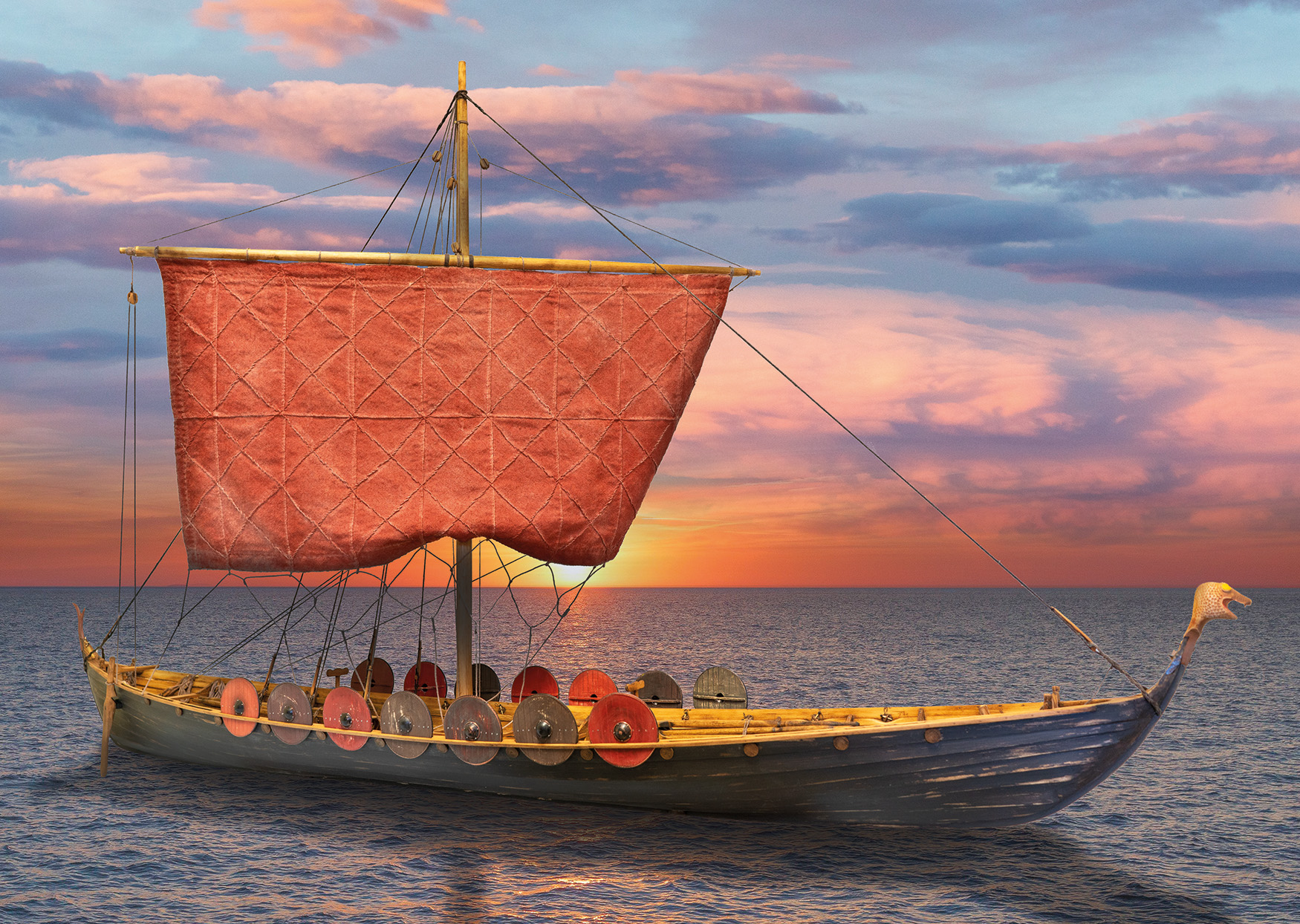
On 11 April, Vikings Before Vikings, a groundbreaking new exhibition, opens at Vrak – Museum of Wrecks. It unveils a remarkable archaeological discovery: two 8th-century burial ships that redefine what we thought we knew about the origins of the Vikings.
Maritime archaeologists from the Museum of Wrecks have investigated a shipwreck that may be the oldest known carvel-built vessel from the Nordic region.
The beginning of the Viking Age is usually dated to the year 793 when Norwegian Vikings looted the Lindisfarne monastery in England, but findings from ship burials from Salme on the island Saaremaa in Estonia show that Vikings from what is today Sweden made armed expeditions to the Baltics already before the end of the 8th century.
Maritime archaeologists from Vrak – Museum of Wrecks and the Swedish Navy have teamed up to further investigate Äpplet, Vasa’s sister ship. What have they uncovered?
Just over a year after Vasa’s sister ship Äpplet was discovered by maritime archaeologists from Vrak – Museum of Wrecks and the Swedish navy, new investigations reveal startling new finds.
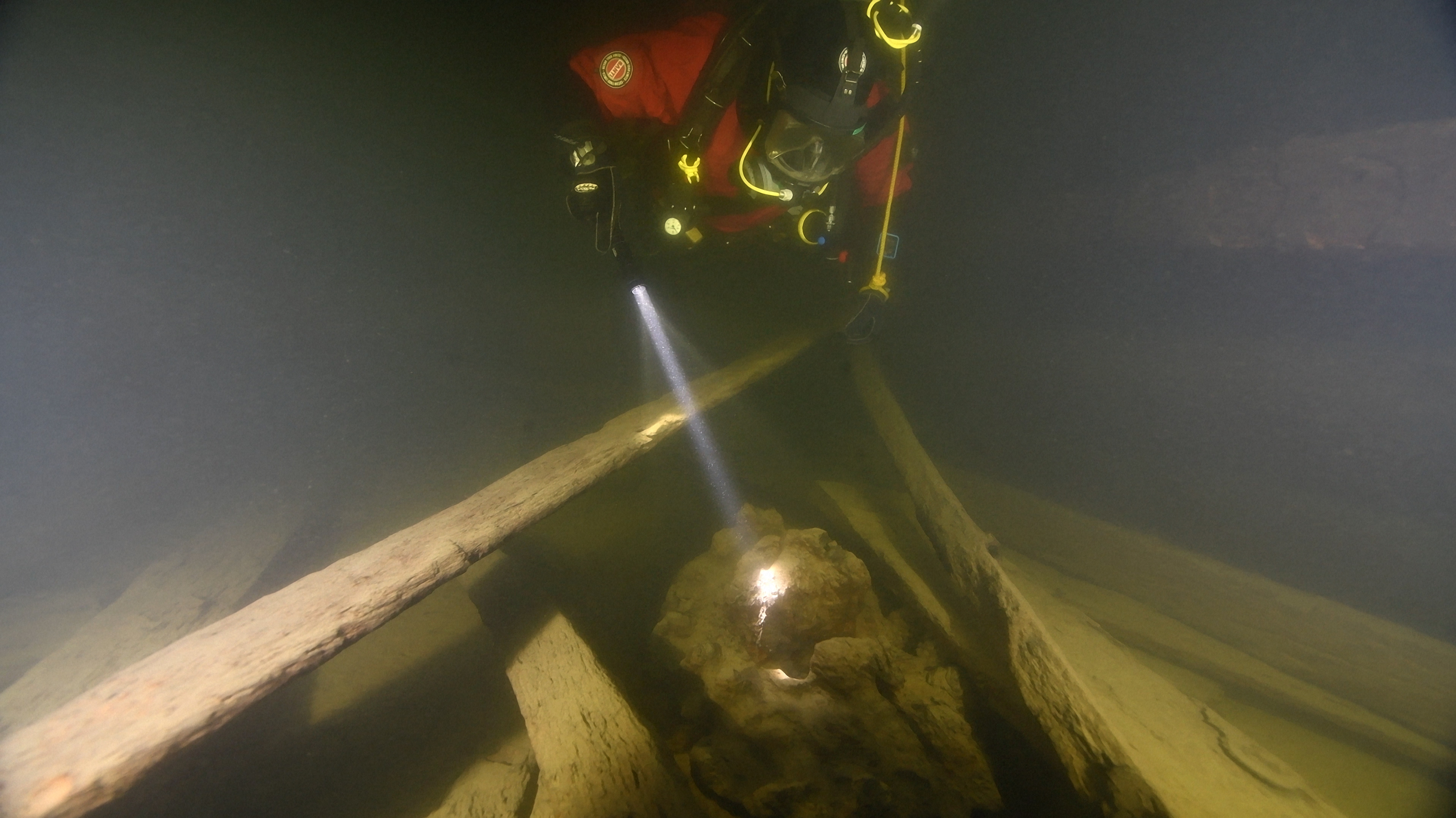
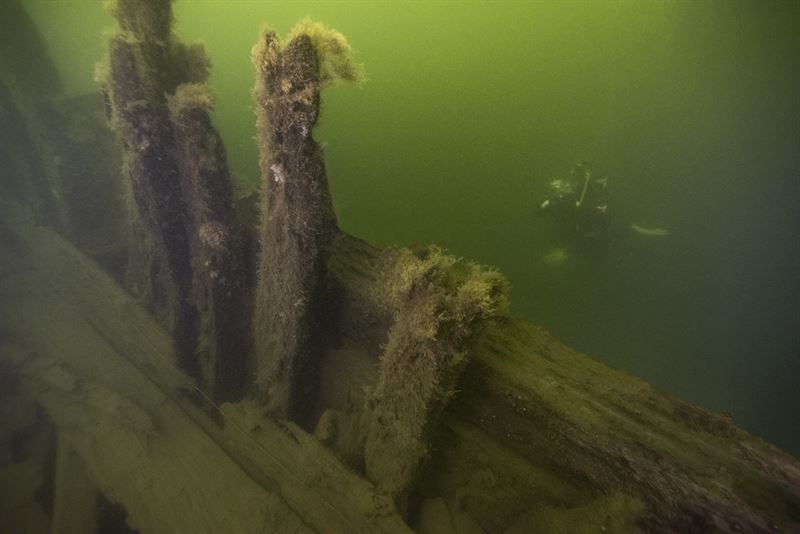
Maritime archaeologists from Vrak – Museum of Wrecks, together with the Swedish Navy, have made unexpected new discoveries during dives on the 17-century shipwreck Äpplet.
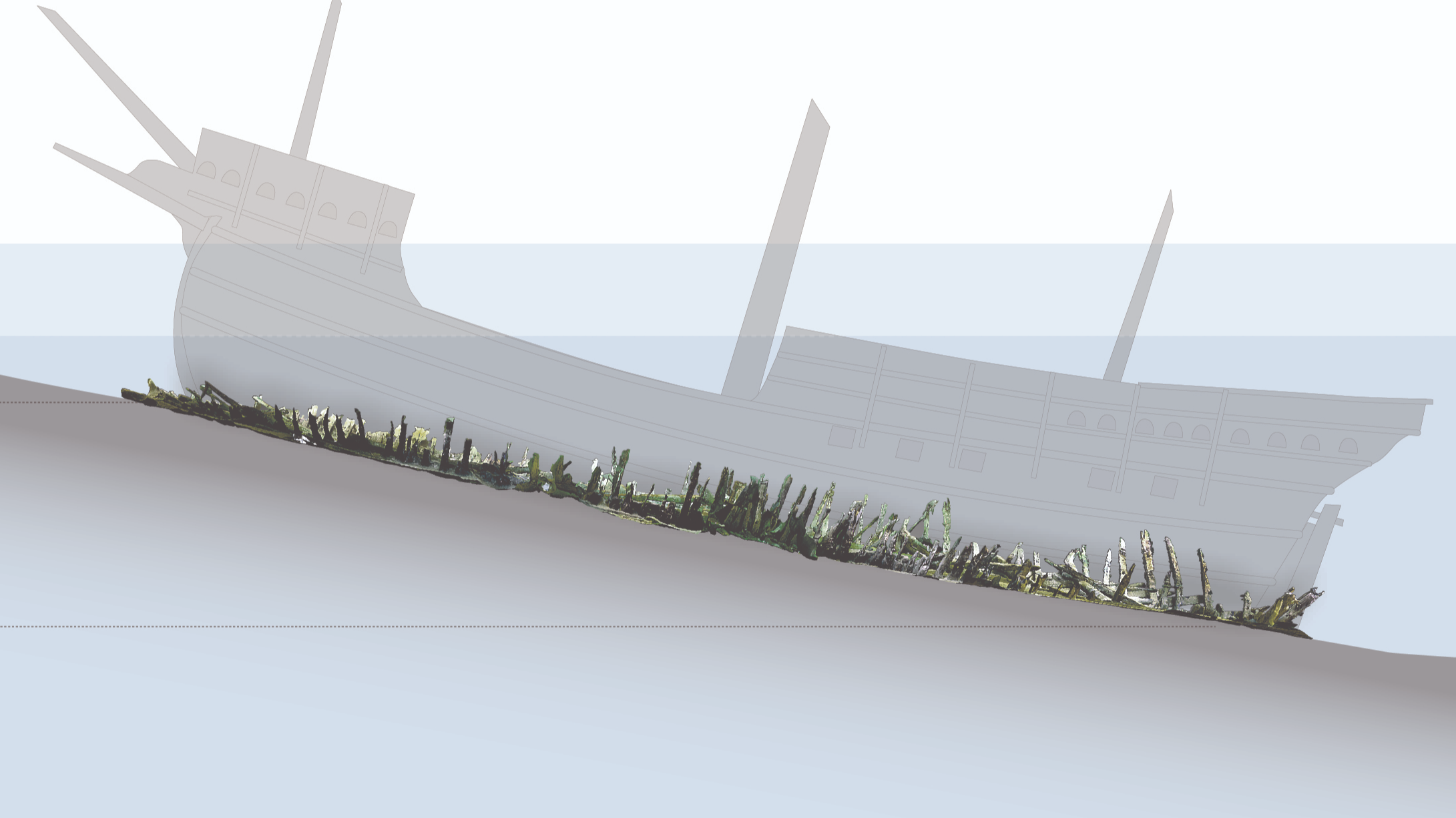
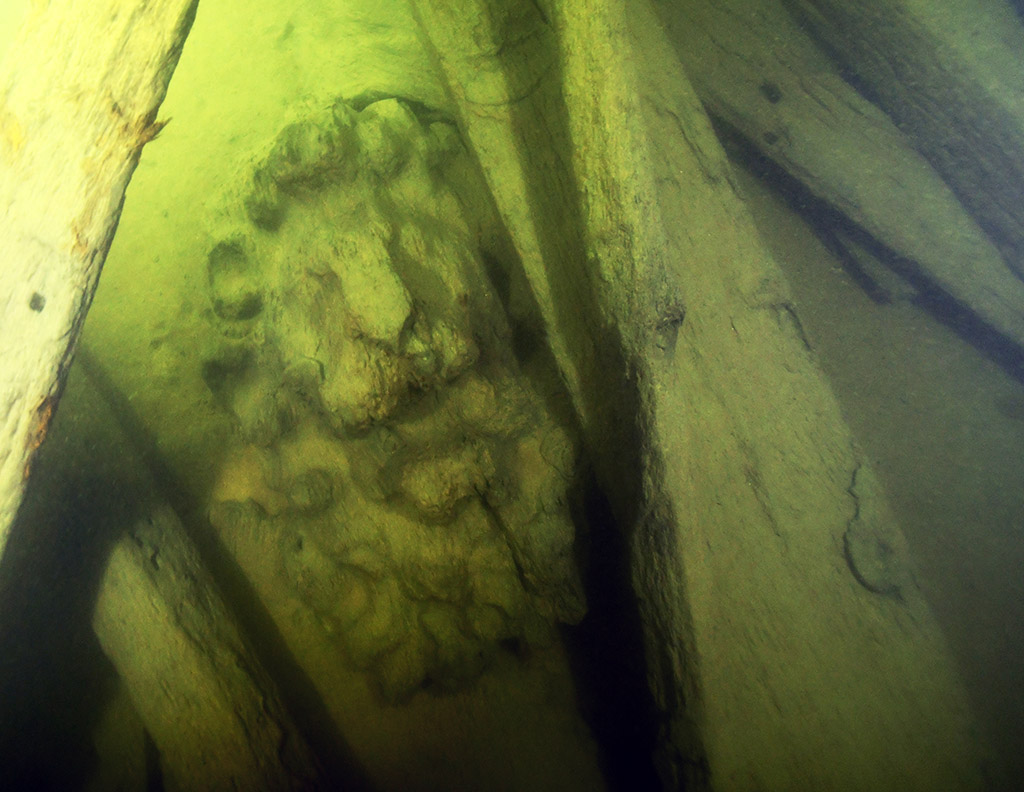
Maritime archaeologists from Vrak – Museum of Wrecks have discovered the wreck of Äpplet (the Apple), a 17th century warship. Launched in 1629, Äpplet was built by the same shipbuilder as the warship Vasa one year earlier. Measurement data, the ship’s technical details, wood samples and archival data confirm that it is indeed Äpplet, Vasa’s sister ship.
On Monday, 24 October, the Museum of Wrecks’ maritime archaeologists, together with Ewa Skoog Haslum, chief of the Swedish Navy, will present a world-unique shipwreck that was found outside Vaxholm.
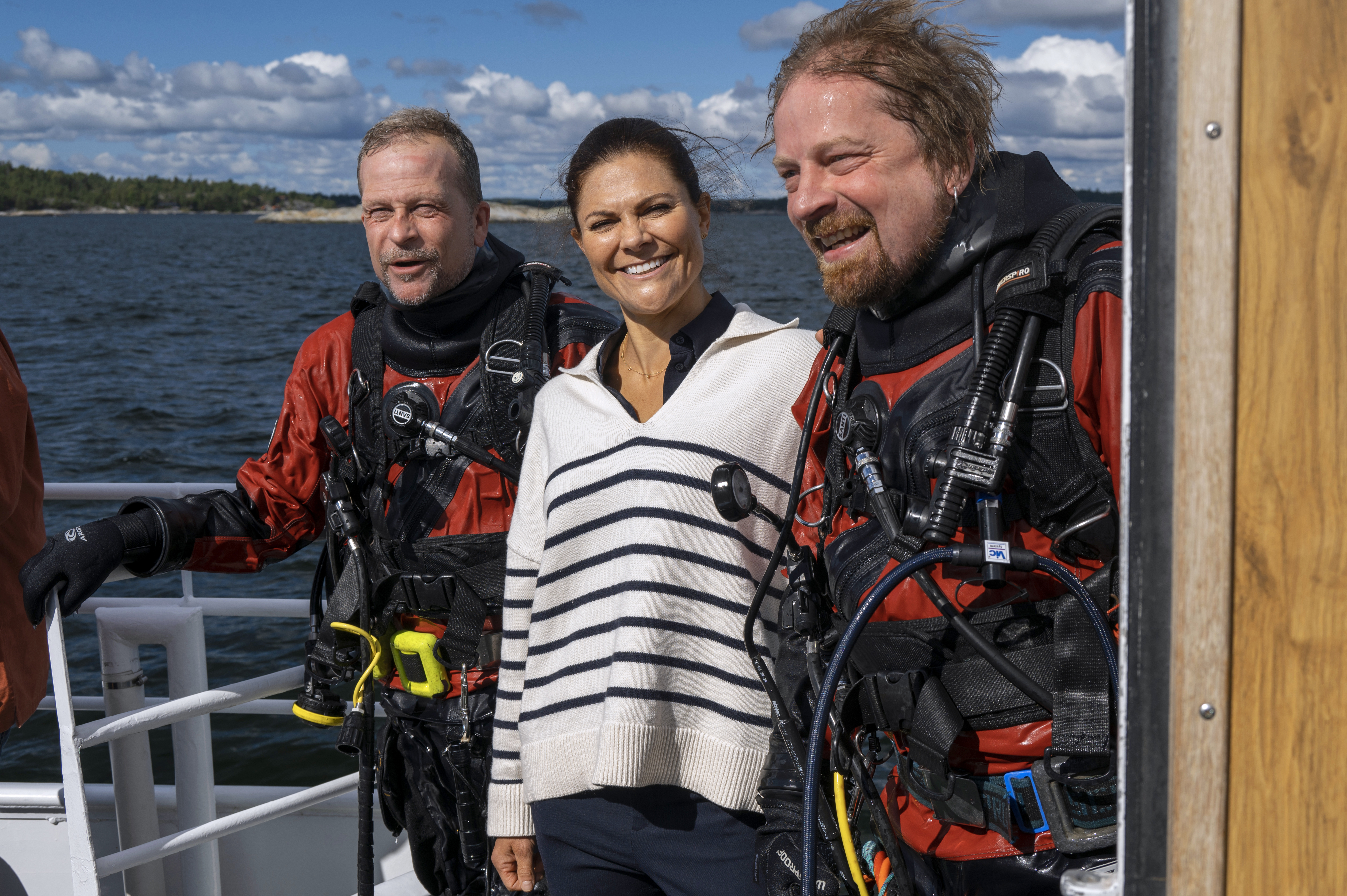
Swedish Crown Princess Victoria recently accompanied Vrak – Museum of Wrecks and Jernkontoret out into the Stockholm archipelago to find out more about the Baltic Sea’s shipwrecks and remains, especially the Osmund wreck, which sank in the 1500s and was carrying so-called osmund iron.
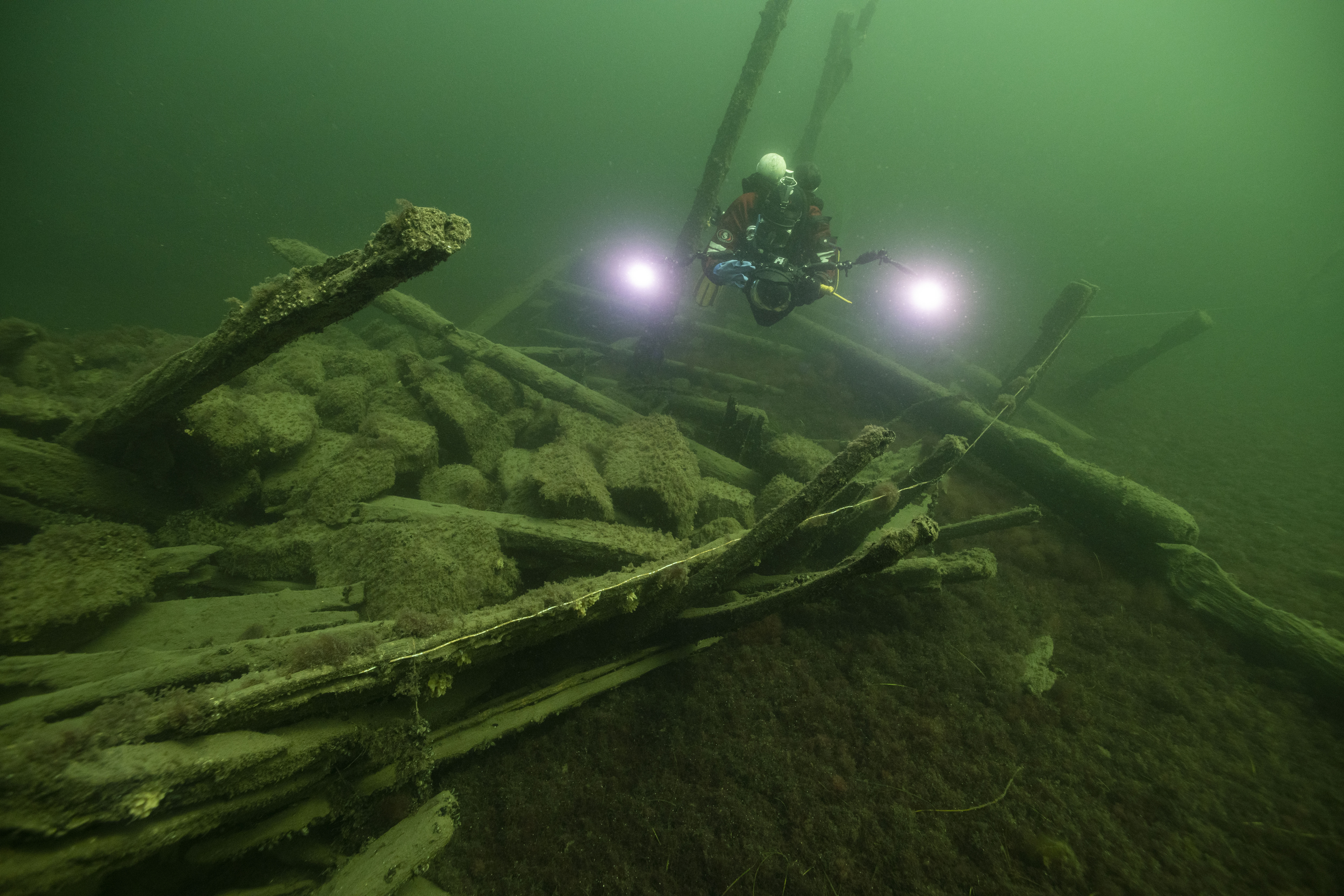
Maritime archaeologists at the Museum of Wrecks recently explored and identified six shipwrecks at the bottom of Blekinge’s archipelago. The ships were sunk in the Djupasund strait outside the strategic naval city of Karlskrona to protect the city and prevent attacks by sea. These amazing wrecks will be part of a planned dive park at Karlskrona, a designated World Heritage Site.
A previously unknown barrier installation, made of timber carved in the winter of 1113, has been discovered near Karlskrona in Blekinge. Thousands of wooden piles were driven into the seabed, and during the late Viking Age and early Middle Ages defended the entrance to the river Lyckebyån in what was then Denmark. The church, the king and the local elite all wanted to gain control over the area, and the barrier likely played a vital role in preventing intruders from coming ashore, perhaps to plunder or disrupt crucial iron exporting along the river.
Welcome to the press preview of Vrak – Museum of Wrecks on 16 September.
In September, a new maritime archaeology museum is opening on Djurgården in Stockholm. Please join us as a special guest at a press preview of Vrak – Museum of Wrecks on 16 September, and at the inauguration of the museum by His Majesty The King of Sweden on 22 September.
Maritime archaeologists at Vrak – Museum of Wrecks have today identified the wrecks found at Vaxholm in the autumn of 2019. The ships in question are Apollo and Maria, both built in 1648 and deliberately sunk in 1677 at Vaxholm.
The results are in. Wood samples from the two large warships found in November by divers outside the island of Vaxholm have now been analysed. The wood samples, taken from the ships’ massive oak planks, confirm assumptions by maritime archaeologists at the Vrak – Museum of Wrecks that the ships were built in the first half of the 17th century.